What Does "Healthy" Even Mean?
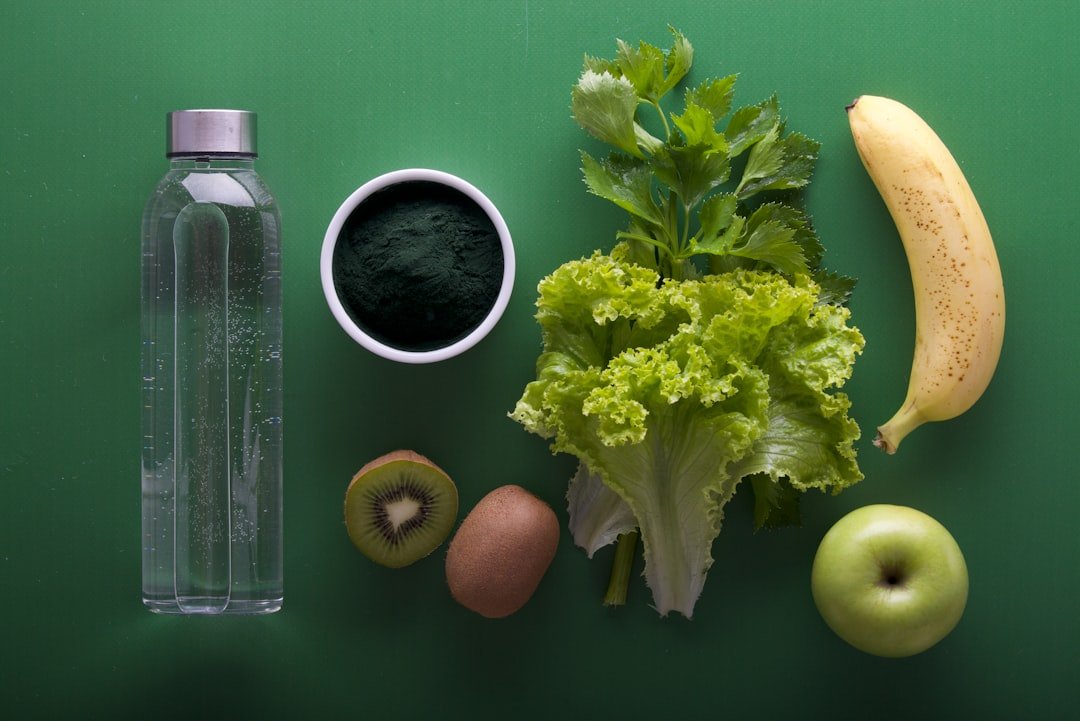
Photo by Vitalii Pavlyshynets on Unsplash
I'm Carrie Smolen, a Los Angeles-based therapist specializing in body struggles and disordered eating. In a city like LA (or state like California), where wellness culture is everywhere and the line between "healthy habits" and obsession can be razor thin, I think about this question constantly — both as a clinician and as someone navigating it myself. If you've been wondering whether your relationship with "healthy eating" is actually making you healthier, this one's worth sitting with.
It’s no secret that health is having a moment. From wellness influencers to longevity medicine to optimization culture, there has been a noticeable shift toward people seeking out every opportunity to maximize their well-being. I’m seeing all sorts of diets, exercise regimens, supplement protocols, anti-aging devices, and early detection technology, just to name a handful of the ways. Yes, there’s absolutely also been parallel movement toward striving for thinness and conventional beauty for aesthetic reasons (SkinnyTok and looksmaxxing, for example), but many are couching changes in “lifestyle choices” as a response to concerns about their overall fitness, rather than just their appearance. Whether that’s true or an excuse for pursuing behaviors that could result in weight loss (the truth tends to lie in the middle anyway), as a therapist specializing in body struggles and disordered eating, I believe this trend is worth exploring because of its impact on our collective mental health.
Given my background in eating disorder treatment, my mind immediately goes to wondering where the line is between casual determination to make health-conscious choices and the new kid on the eating disorder block: orthorexia. National Eating Disorders Association (NEDA) discusses orthorexia as, “an obsession with proper or ‘healthful’ eating.” They go on to note:
“Although being aware of and concerned with the nutritional quality of the food you eat isn’t a problem in and of itself, people with orthorexia become so fixated on so-called ‘healthy eating’ that they actually damage their own well-being and experience health consequences such as malnutrition and/or impairment of psychosocial functioning.”
Though orthorexia is not currently a formal diagnosis in the Diagnostic and Statistical Manual DSM-5 TR, the concept has been part of eating disorder conversations for nearly 30 years. Since there are not yet formal diagnostic criteria, it’s also hard to determine if orthorexia is a unique eating disorder, a subtype of another, or a variation of obsessive-compulsive disorder.
Here are some common orthorexia signs and symptoms, according to NEDA:
An increase in concern about the health of ingredients, potentially including compulsively checking ingredient lists/nutritional labels (unrelated to true allergies and sensitivities)
Cutting out an increasing number of food groups (all sugar, all carbs, all dairy, all meat, all animal products, etc.)
An inability to eat anything but a narrow group of foods that are deemed “healthy” or “pure,” and high levels of distress when “safe” foods are not available (or preoccupation with anticipating whether or not they will be)
Unusual interest in the health of what others are eating
A feeling of superiority around their nutrition and intolerance of other people’s food behaviors and beliefs
High levels of perfectionism
Obsessive following of food/wellness/lifestyle accounts on social media
Body image concerns may or may not be present
Psychosocial impairments in different areas of life
We each have all kinds of reasons for the choices we make about the foods we do and do not eat. For some it’s ethics (including animal rights and/or environmentalism). For others it’s religion. Some people have allergies or sensitivities. Some need to be mindful of interactions with medications. The list goes on. I am by no means suggesting that all people need to open themselves up to eating all foods. I’m not even saying that it’s not okay to have limiting preferences. But I am suggesting that it can be beneficial to honestly consider the reasons behind the restrictive choices we make.
A framing I learned working in eating disorder treatment, that I have always really loved, is that it’s important to consider lifestyle changes (such as dietary habits and exercise regimens) like we do pharmaceuticals: they all have intended outcomes, and they also all have potential side effects. As a therapist, it is never my job to tell a client what they should or shouldn’t be eating. It is my job, however, to help them make sense of the decisions they are making and to really consider the mental and emotional “side effects” of those choices. For many, those by-products can range from things like emotional distress to social isolation to medical problems, including fatal ones. And it can be easy for a mild curiosity about dieting to snowball into a dangerous condition that requires attention; not exclusively for people who have especially low bodyweight.
Eating disorders and disordered relationships with food and exercise stem from a variety of contextual factors. But all of them, not just orthorexia, often originate as a desire (even if unconscious) to feel more in control. I get it, I really do. Feeling a lack of agency or a sense of helplessness can be so scary and painful. Especially now, when what is happening in the world and especially in the US feels so out of our control, it makes sense to seek anything that could help give us back some small semblance of power. And there is so much messaging out there that tells us that our bodies are within our control. That the right information and enough discipline will not only keep us looking fit, but will also prevent disease and extend our lives. It’s no wonder that so many of us turn to our bodies when we’re struggling with feelings of powerlessness.
Where, though, does that leave people who aren’t so lucky as to be “perfectly healthy”? What about people living with chronic illness and/or disability? This is where healthism enters the conversation.
Healthism is the belief that health is the primary marker of well-being, and mainly the result of individual choices and behaviors; therefore disease is a personal failing and makes a person morally inferior. It’s the idea that if someone is not in optimal health, it is their fault, and they are less worthy than a completely healthy person. In general, but especially as someone living with a hereditary chronic illness (which maybe I’ll discuss at a later date), I find this concept super fucked up.
Healthism is a highly individualistic notion. It erases systemic issues that are proven to influence health outcomes, such as poverty, stigma, and access to adequate healthcare. And it makes sense, the healthcare system in the US is exceptionally broken, even for people with good insurance coverage. If you’re interested in more on that, Mara Gordon, MD recently wrote this great article about longevity medicine as a response to the current structural failings of primary care.
It makes me really sad that such a common response to recognizing these problems, which impact all of us, is to seek (and sell) solutions that offer relief only to those of us with enough privilege to access them. Again, I do understand. It is very overwhelming to think broadly about creating change on a larger scale. And it is important for us to advocate for ourselves when the system is not built with our best interests at its core. We all have to do our best to survive (and if we’re lucky, thrive) under capitalism. It also… just really sucks that we’re in this position. And it especially sucks that some of the people who are most vocal about these elitist swerves from regular medical care are not aligned with political movements that support increasing quality care for all. It’s really shitty that so many of us are so unbelievably let down by the system, and it’s even shittier that a lot of people only care about getting their own ass in a lifeboat.
So then, if you are someone like me who believes that we ought to be looking at health more holistically, systemically, and complexly, we need to be considering our own definitions of what it means to be healthy. Is health just living as long as possible while maintaining physical strength and mobility? I personally think it can’t be that simple. For example, if you present me with 1) a conventionally fit, able-bodied person with an obsessive relationship to food and exercise that’s heightening their anxiety, diminishing their ability to experience pleasure, and isolating them from their people, and 2) a wheel chair user with a condition that requires extensive treatment and might even impact their lifespan, but fairly good mental health and lots of close relationships… if you were to make me pick who I think is “healthier,” theres a good chance I’m going with the latter. I don’t know about you, but anything that involves added rigidity and stress, especially without a true medical or genuinely held ethical reason, does not sound healthy to me. Neither do behaviors that impede connection.
We also need to be really curious about the health and wellness information that we’re encountering, especially from people trying to sell us things. After all, skepticism is the foundation of science. Unfortunately, this can also hold for physicians, who receive very little nutrition education unless they pursue expertise. Just because your doctor recommends that you do something, does not mean that they are the authority on what is best for you. But that also doesn’t mean that some random person on the internet knows better. Trust your instincts when you see or hear something that doesn’t quite sit right with you.
Who can you turn to? Well, if you are looking for support with figuring out how to make choices around food (and even supplements) that work for your body, I highly recommend seeking out a weight-inclusive or weight-neutral registered dietitian (RD). There are RDs who specialize in certain conditions and are trained to work with you (and potentially your doctor) to manage your unique needs. I also recommend working with (similarly weight-inclusive/weight-neutral) physical therapists and personal trainers. Despite the general thinness-obsessed cultural shift we’re experiencing, there are loads of all three, and I’d be happy to steer your toward some of them (and their content) if you’re interested. Here are several great ones to get you started: Abbey Roberts (RD), Shana Minei Spence (RD), Abbie Attwood (nutritionist), Dr. Lisa Folden (physical therapist), and Anna Maltby (personal trainer).
We all get to determine for ourselves what we actually care about when it comes to how we relate to our bodies, what we do to feel our best, and how we maximize the amount of time we get to have on this planet. At the same time, it can be helpful to ask ourselves questions like:
Does the way I’m thinking about health align with my values?
Is it more important to me that everything I eat be “healthy” or that I have a “healthy” relationship with food and eating?
How might others in my life with less health privilege feel when they hear me talk about my wellness practices?
Am I conceptualizing health broadly enough, considering not only physical, but also mental and emotional health?
What is compelling me to be so focused on controlling my health and body?
The more I start to think about these things for myself, the more I feel like we’re collectively oversimplifying health in a way that only serves to increase shame. Healthism gives us yet another thing to feel like we’re not doing well enough. So I’m going to keep noodling on this stuff and trying to find my own sense of the ever-elusive balance that feels right for me. How about you?
If you're finding it hard to sort out where the line is between taking care of yourself and being controlled by "health" — that's worth exploring with someone. I work with clients across California on their relationships with food, their bodies, and the complicated feelings that come with both. Book a free consultation.
Duck Syndrome is a Substack for overwhelmed perfectionists and anxious overthinkers— people who look like they have it all together while paddling frantically under the surface. If this resonated, there's plenty more where it came from.
Read the full archive and join the flock on Substack →
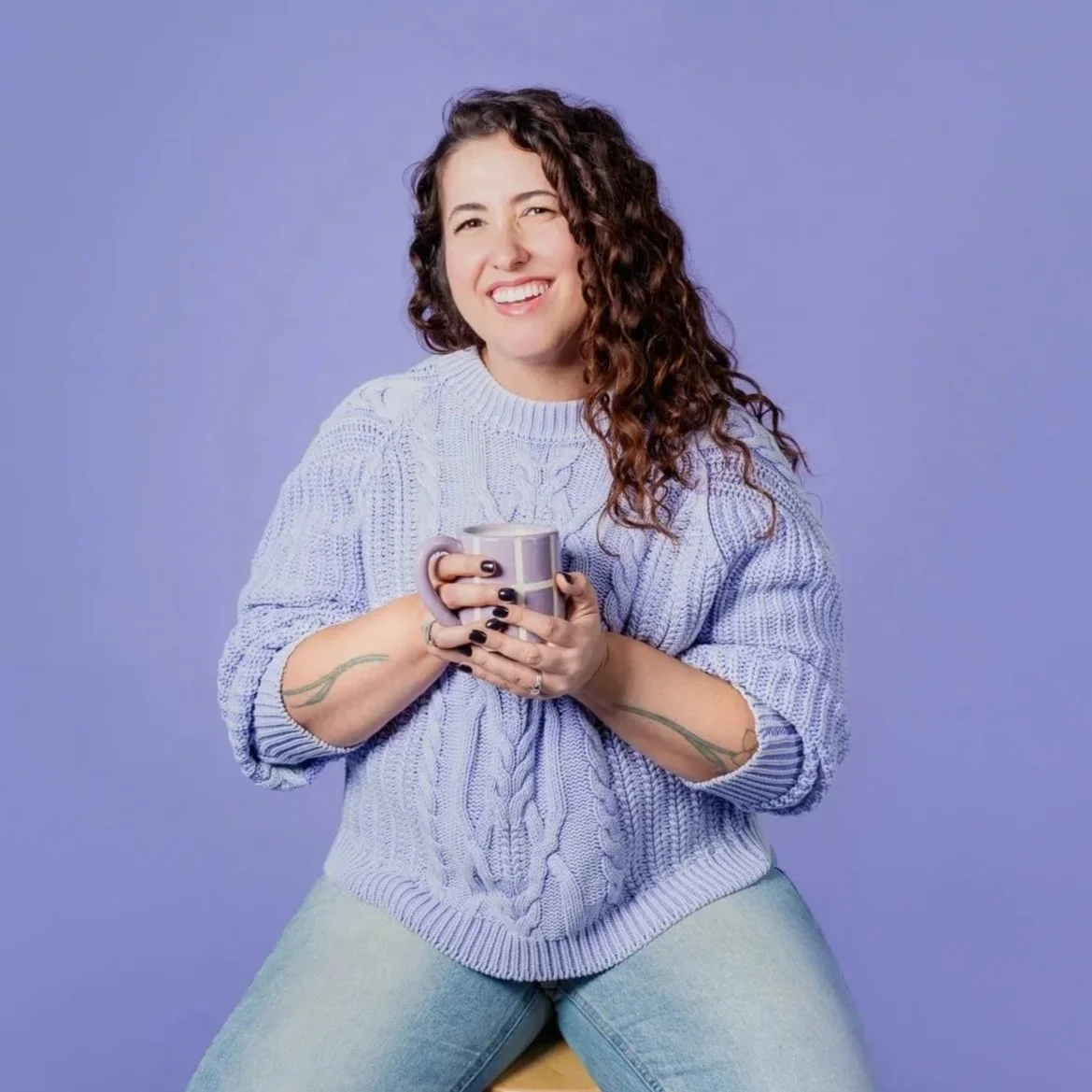
VIRTUAL THERAPIST • LOS ANGELES
Hi, I’m Carrie (she/her).
A therapist for thoughtful, overwhelmed humans trying to be good people in a complicated world.
As a therapist for folks all over California, most of my work centers on helping clients with issues related to perfectionism and body struggles, including eating disorders.
I love to come along for the ride as people get clearer on who they are, what they need, and how to move through life with more ease, self-trust, and permission to be unapologetically imperfect.