The Cost of Consideration
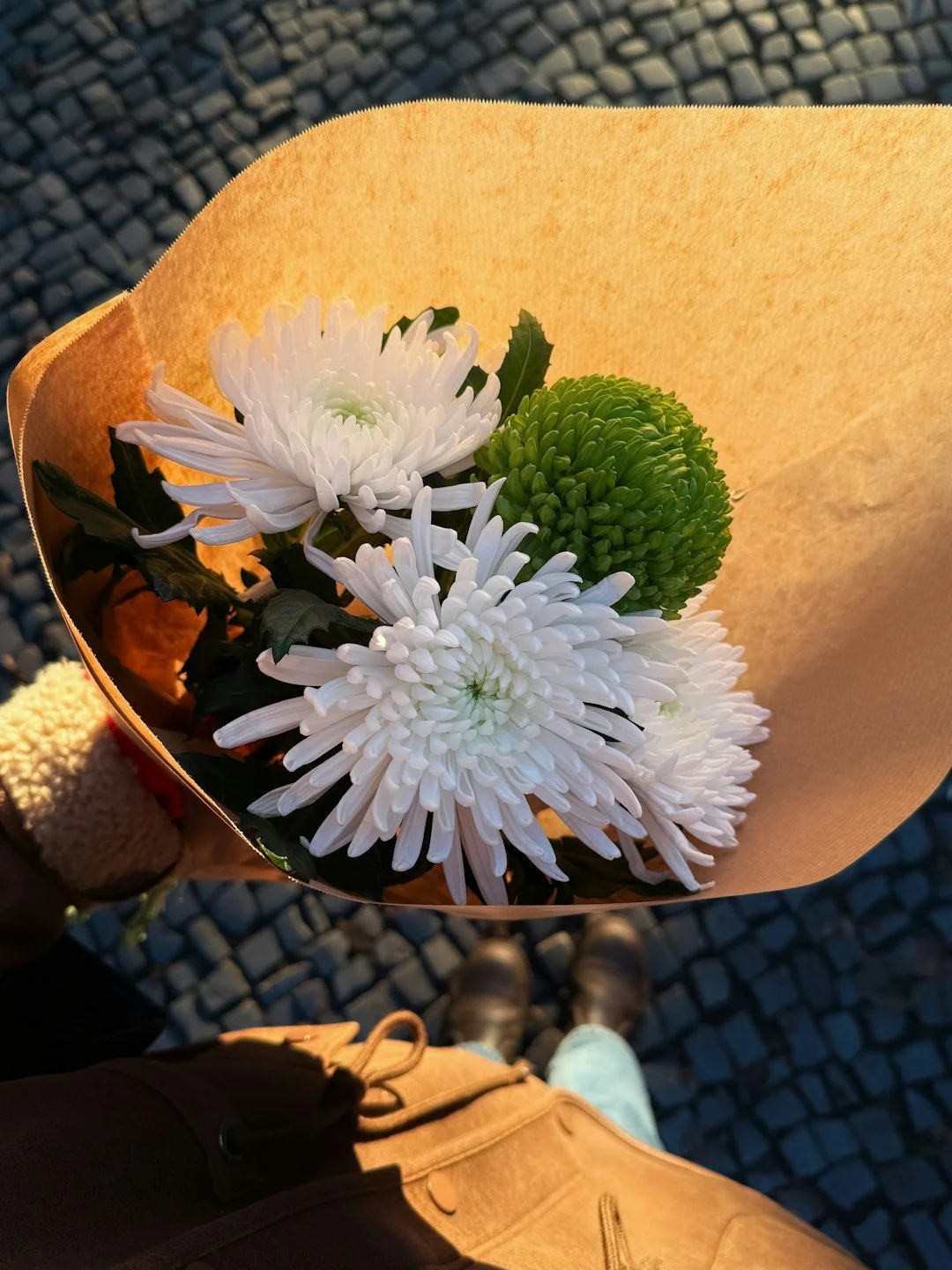
Photo by Anastasiya Badun on Unsplash
I'm Carrie Smolen, a Los Angeles-based therapist specializing in perfectionism and anxiety. In my California therapy practice, one of the most common things I hear is some version of: "I'm always the one thinking of everyone else — and nobody does that for me." If you're exhausted from being the considerate one, and quietly (or not so quietly) resentful about it, this post has some questions that might help.
When I’m contemplating the subjects of these posts, I like to think about any themes that are naturally emerging. Over the past week or so, this idea has become very clear to me. Both in conversations in my personal life and in sessions with my therapy clients, so many people are talking about the sensation of always being the one to consider others, and the frustration that comes from feeling like that care is not reciprocated. I deeply resonate.
Anxious brains are thoughtful brains. I’d venture to guess that many of you reading this (especially those of you who identify as ducks) can relate. Our oversaturated minds are constantly scanning, mulling over how we might impact those around us. This could of course manifest as worrying: Am I being annoying? Did I offend that person? Did I do enough? And it could also show up as kindness: I want to make sure they feel loved. I should check that they’re available before I schedule my event. I hope they know that they can lean on me.
It can feel so frustrating to show up for people, even to go above and beyond for them, and for that care to not be shown back to you. First of all, I just want to validate that, because yes, it IS super upsetting to put so much energy into caring for your people and to feel like you’re not receiving that same level of thoughtfulness from them. And I get why this feeling can lead to your growing resentful. It makes sense to feel hurt and angry because you want someone to take care of you for a change. Or at the very least, because you want others to show you that they’re recognizing your needs as much as you’re thinking about theirs. So what are you supposed to do? Just keep bending over backwards for people, continuing to grow increasingly frustrated when they don’t show you the same level of consideration? I don’t think so.
I’ve identified six perfectionist archetypes that I see all the time. You probably could have guessed that this particular issue is a people pleaser problem. An important thing to remember about people pleasing is that it is fundamentally not actually something we do for other people. It is an adaptation that many of us develop in order to help us feel safe, because we have internalized the idea that we need to earn love and care through our actions. Thinking about pulling back, about doing less, feels scary because that could mean upsetting people and losing any potential for their affection. I say none of this to induce shame; this is not something that any of us choose. It is, however, our responsibility to figure out how we can both 1) be gentle with ourselves about this tendency and 2) determine what we want to do with our awareness that it might no longer be serving us.
It’s important to recognize that there is a cost to consideration. Being thoughtful takes a toll on your mental and emotional energy (not to mention that it can also involve literal financial expense). You get to budget for it. Just like with actual money, sometimes you have costs that you don’t want to include. At the same time, there might be recurring subscriptions that you can cancel if they’re no longer working for you. Have I sufficiently tortured this metaphor? Cool, just making sure.
If you’re at this point, seeing yourself in this concept, and feeling like something needs to change, I’ve got you. Here are some questions to ask yourself that could help inform your decision-making next time you’re thinking of doing something considerate for someone else:
Would I still do this if I knew I wasn’t going to get anything in return? Would you still want to do this gesture if you knew it could go unacknowledged? If you knew that you were not only not going to be reciprocated, but that you might not even get a thank you? If the answer is yes, go for it! But if it’s no? I might at least entertain reconsidering.
Whose rules am I playing by? Are you genuinely the one who wants to do this thing, or do you have someone else’s voice in your head telling you that it’s what you should be doing? Especially (but certainly not exclusively) if you were socialized as a girl/woman, you’ve probably absorbed a lot of cultural messaging around what it means to be “good,” and maybe it’s time to consider what of it actually feels like what you want for yourself.
Who made me in charge of everyone else’s feelings? People pleasing is often rooted in the sense of safety that comes from trying to keep those around us happy. Check in with yourself about whether that might be what you’re trying to do here, and think about whether that’s actually a) what you want to be doing and b) even possible.
What will this cost me? Think of this holistically: energetically, emotionally, financially, etc. Do you want to spend those resources on this gesture?
Do I feel resourced enough to be caring for others? There’s that saying, “you can’t pour from an empty cup.” Do you have enough in your cup to give right now? If not, how might you be able to resource yourself? Or, can you decide that now is not the time to be trying to take on others’ needs on top of your own?
Do I know for sure that they actually want this thing that I’m going out of my way to do? Often we make assumptions about the kind of care that others would find helpful, without checking in about what that person actually wants or needs. It’s very possible that if you were to touch base first, you’d find out that something that’s less of a heavy lift for you might have an even bigger impact.
Do I want to try to have a direct conversation with someone the next time I feel dropped or unconsidered? I get that this could be tricky, and might often not feel worth the effort, but sometimes people have no idea how you’re feeling. There’s no way for anyone to change their behavior if they don’t know that that’s what you want. Waiting for someone to do something differently on their own, without telling them what you need, is a recipe for disappointment. Also remember that it’s unlikely that one individual person is responsible for this cumulative sensation you’re experiencing. If you feel like you’re “always” considering others, don’t take that out on one person, even if they really did make you feel unseen. It’s fair to mention that this is a pattern you experience, but don’t make it their fault if it’s a larger theme in your life.
Can I identify things that I’d like support with? As much as it would feel nice for people to show up for us on their own, often they need guidance about what would be helpful or feel good. For more on this one, check out my post on the importance of learning to ask for help. It’s possible that your sensation of always being the one to think of others could be because you’re not recognizing when others are trying to show up for you.
If you're tired of overextending and not sure how to stop, that's exactly the kind of pattern worth working through with someone. I help perfectionists and people-pleasers across California figure out how to take better care of themselves without losing who they are. Book a free consultation.
Duck Syndrome is a Substack for overwhelmed perfectionists and anxious overthinkers— people who look like they have it all together while paddling frantically under the surface. If this resonated, there's plenty more where it came from.
Read the full archive and join the flock on Substack →

VIRTUAL THERAPIST • LOS ANGELES
Hi, I’m Carrie (she/her).
A therapist for thoughtful, overwhelmed humans trying to be good people in a complicated world.
As a therapist for folks all over California, most of my work centers on helping clients with issues related to perfectionism and body struggles, including eating disorders.
I love to come along for the ride as people get clearer on who they are, what they need, and how to move through life with more ease, self-trust, and permission to be unapologetically imperfect.